Table Of Content

They also forage in pantries for pet food, fruit, and vegetables. Crickets are known as high-jumping insects with a signature chirp on warm nights. However, their noisy calls can sound less pleasant when coming from inside your house. Crickets are driven indoors by temperature changes and food and water shortages in their outdoor environment.
Life Cycle (Back to Top)
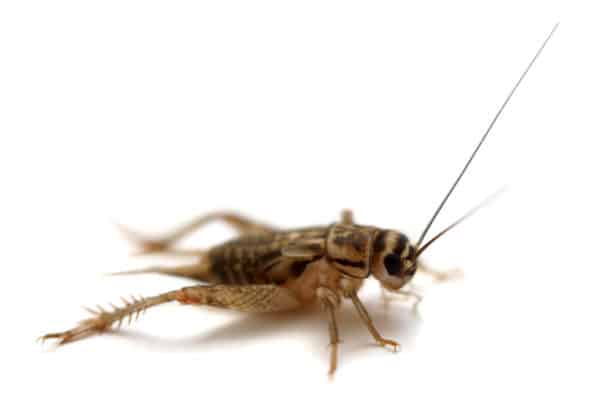
Both males and females have a set of wings that cover their back. A house cricket is easy to identify by their long, protruding back legs, which are able to catapult them into higher ground but may also be misidentified as grasshoppers. It is usually females who come inside the home, however, seeking a safe and quiet place to lay their eggs or shelter during this period of vulnerability. In the wild, these omnivorous crickets can have a varied diet, including fruits, seeds, leaves, grass, and small insects.
How to Prevent a Cricket Infestation
Some people, usually in eastern cultures, choose to keep these singing creatures as pets. Juveniles or nymphs look like adults, but they don’t have wings. Females and males look similar, apart from the 0.5-inch (12 mm) long brown-black ovipositor at the females’ rear end. Your local Orkin Pro is trained to help manage giant desert centipedes and similar pests. Since every building or home is different, your Orkin Pro will design a unique cricket treatment program for your situation.
Related pests
House crickets should be gotten rid of before they settle in. Nor would you want them feasting on your fabrics or important papers. Mole crickets specifically can do a great deal of damage to lawns.
Song (Back to Top)
This is because field and house crickets have wings that are rubbed together to produce song. Since camel crickets lack wings, they are unable to produce any melody. Due to their temperature-based singing, it’s easy to guess the outside temperature when you hear a cricket chirp. To do this, simply count the number of chirps you hear within a 15 second radius, then add 40. You’ll end up with a temperature in Fahrenheit that is close to what the actual temperature is. Homeowners can reduce the possibility of finding house crickets indoors by ventilating especially moist areas.
Spider Crickets Are Real, And Here's Why You Don't Want Them In Your Home - Farmers' Almanac
Spider Crickets Are Real, And Here's Why You Don't Want Them In Your Home.
Posted: Fri, 29 Sep 2023 07:00:00 GMT [source]
Follow the sound as quietly as you can, so as not to startle the insect—if you do, it can jump a good 3 feet! It’s possible to catch the cricket with your bare hands and release it outside, but wash your hands well afterwards. You can also leave a plastic bottle with a small amount of soda or other sweetened drink inside. The cricket is likely to crawl in but will have trouble getting out. Even if you don’t capture adult bugs,you may well get their tiny eggs, which is key to preventing a more serious problem. Empty the vacuum dirt cup or bag into a trash bag, tie it off, and bring it outdoors when you’re done.
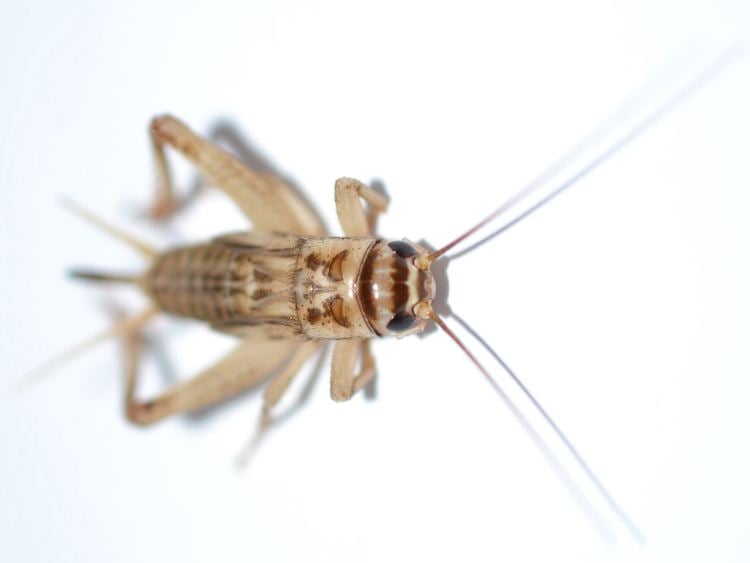
In America, it’s common for people to keep crickets as a food source for their other pets. The house cricket, or Acheta domestic, belongs to the animalia kingdom under the arthropoda phylum. They are largely classed as insecta, or insects, and belong to the grylllidae family. They are significant to the aceta genus and archeta domestica species.
Dear Sweet Jeebus, Trump Really Does Want His Face On Mt. Rushmore
There are approximately 900 different species and about one hundred of them can be found in the United States. In many parts of the world, particularly China, crickets are thought to bring good luck. They are considered a delicacy in some countries and an important part of a healthy diet in others. Here in Southern California, they are noted for bringing sleepless nights. A cricket infestation will be annoying as they will chirp and are most active at night. This will prevent you from having additional crickets inside your house in the future.
All house crickets have long hind wings when they become adult, but they sometimes shed them later. WINTER ORDERSDuring the winter months, we recommend checking our shipping information page before ordering live crickets or any other live insects. Extreme Cold or Hot temperatures can greatly impact the odds of receiving your crickets live and healthy. Take into consideration the transit time of your live insects prior to selecting a shipping method.
There are more than 900 unique species of crickets, but the ones likely to take up residence in your home are officially known as Acheta domesticus. They are found throughout the U.S., predominantly east of the Rocky Mountains. The chirping of crickets may be a pleasant sound of summer, but these insects can become a real nuisance, especially if they take up residence inside your home and lay eggs. Between their constant racket, ability to jump up to 3 feet, and the possibility of carrying disease, crickets are hardly welcome guests.
Crickets are nocturnal insects distantly related to grasshoppers. They can be recognized by their round heads, long antennae, cylindrical bodies and prominent hind legs. Crickets can typically be found inside warm places like kitchens or basements. The house cricket is most common to areas that have tall, long grasses and a moderate to warm climate. Crickets are often very difficult to find due to their ability to camouflage to their surroundings. They flourish in temperatures of 80 to 90 degrees Fahrenheit but can also be found in much cooler climates.
Despite their common name, Jerusalem crickets are not true crickets, nor are they native to Jerusalem. These nocturnal insects use their strong mandibles to feed on dead organic matter but they’ll also feed on other insects. Their highly adapted, feet are used for burrowing beneath moist soil to feed on decaying root plants and tubers. While Jerusalem crickets are not poisonous, they can emit a foul smell and can inflict a painful bite.
U.S. distribution of the house cricket, Acheta domesticus (Linnaeus). The house cricket is probably native to southwestern Asia, but has been widely distributed by man. In the United States it occurs wherever it is sold, but it survives in feral populations only in the eastern United States (except peninsular Florida), and southern California. When Noem finally grabbed Cricket, she says, the dog “whipped around to bite me”.